Compare Local Contractors for Expert Cement Polishing Services
Compare local contractors for cement polishing to define project scope, verify experience, and set clear expectations for a successful finish.
Cement polishing is a specialized process that transforms concrete surfaces into smooth, glossy, and durable finishes. This work typically involves grinding the surface with progressively finer abrasives to remove imperfections, stains, and surface imperfections. The process can enhance the aesthetic appeal of floors in commercial, industrial, or residential settings, while also improving their longevity and resistance to wear. Contractors experienced in cement polishing understand the nuances of different concrete compositions and finishing techniques, ensuring a high-quality result tailored to the specific needs of each property.
Clearly defining the scope of a cement polishing project is essential for achieving satisfactory results. Property owners should specify details such as the desired level of gloss, surface preparation requirements, and any additional treatments like staining or sealing. Establishing these parameters in writing helps prevent misunderstandings and provides a clear basis for evaluating contractor proposals. A well-defined scope also guides contractors in selecting appropriate equipment and techniques, ensuring that the work aligns with the property’s functional and aesthetic expectations.
When comparing local contractors for cement polishing services, it is important to consider their experience, reputation, and the scope of services offered. Property owners can review portfolios, request references, and verify the types of projects the contractors have completed. Asking for detailed descriptions of their process and what is included in their scope can help identify the most capable service providers. Additionally, ensuring that the scope of work is documented and agreed upon in writing helps establish clear expectations and provides a reference point throughout the project, promoting a smooth and successful completion.
Compare local contractors by outlining priorities, verifying experience, and setting clear expectations in writing.
- Verify Experience - assess the contractor’s background in cement polishing projects similar to the scope needed.
- Define Scope Clearly - specify the desired finish, surface preparation, and any additional treatments in writing.
- Compare Local Contractors - review qualifications, portfolios, and service offerings to find suitable options.
- Set Expectations in Writing - document project details, responsibilities, and deliverables to ensure clarity and accountability.

Clearly define your cement polishing project and compare local contractors based on experience, services, and written expectations.
- Verify experience in cement polishing projects similar to the scope of the work. - Ensure contractors can demonstrate relevant expertise and a track record of quality results.
- Define and document the scope of work clearly in writing before proceeding. - Clarify the desired finish, surface preparation, and any additional treatments to avoid misunderstandings.
- Assess the contractor’s familiarity with different polishing techniques and equipment. - Confirm they use appropriate methods for your specific floor type and desired finish.
- Request detailed descriptions of the polishing process and surface preparation steps. - Understanding the procedures helps set realistic expectations for the outcome.
- Check references or reviews to gauge the reliability and workmanship of local contractors. - Gather insights from previous clients about their experiences and project quality.
- Ensure all project details, including scope and responsibilities, are documented in a formal agreement. - Proper documentation helps protect both parties and provides a clear reference throughout the project.
Compare local contractors’ experience and clarify project scope to ensure smooth cement polishing projects.

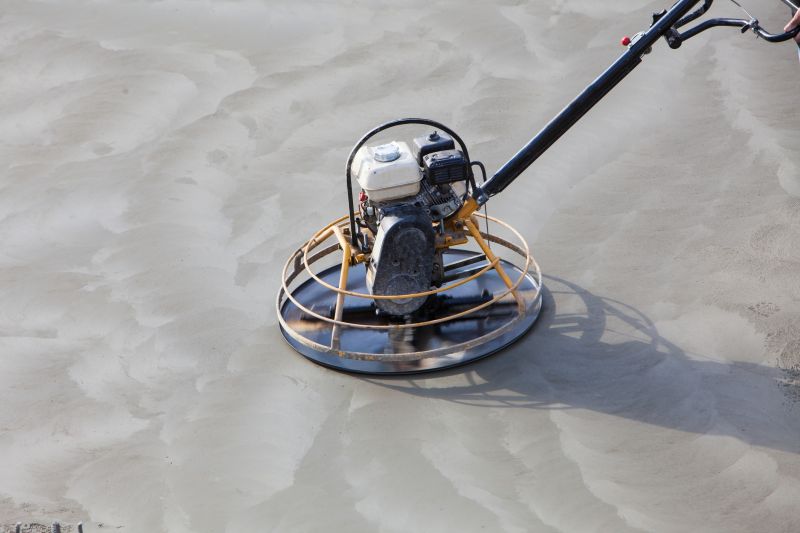
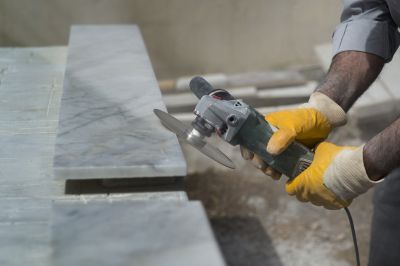

Compare local contractors’ scope definitions and experience to ensure consistent standards across providers without referencing prices.
- Project Scope - Clearly define the specific areas and surfaces to be polished to establish project boundaries.
- Surface Conditions - Assess and document the current condition of the concrete to determine necessary preparation steps.
- Finish and Appearance - Specify the desired level of polish, gloss, and final aesthetic to align expectations.
- Preparation Requirements - Identify any surface repairs, cleaning, or sealing needed prior to polishing work.
- Work Standards and Expectations - Outline quality standards, finish specifications, and acceptable performance criteria for the project.
When comparing contractors for cement polishing, it is essential to evaluate their experience with similar projects. Homeowners should inquire about the types of surfaces and environments the service providers have worked on, ensuring they have a history of handling projects comparable in scope and complexity. A contractor’s familiarity with specific flooring conditions, such as commercial or residential spaces, can influence the quality and durability of the finished surface. Verifying the depth of their experience helps ensure that the chosen service providers understand the nuances of cement polishing and can deliver results that meet expectations.
A clear, written scope of work is a key factor in selecting a cement polishing contractor. The scope should detail each phase of the project, including surface preparation, grinding, polishing levels, and any additional treatments or finishes. Having this information in writing helps prevent misunderstandings and establishes a shared understanding of what the project entails. Homeowners are encouraged to ask service providers to outline their process and deliverables explicitly, creating a foundation for a transparent working relationship and ensuring all parties are aligned on project expectations.
Verification basics involve confirming the contractor’s ability to deliver quality results through references or examples of completed work. While formal licensing or certification may not be required, requesting proof of past projects or client references can provide insight into the contractor’s reliability and craftsmanship. Homeowners should also verify that the service providers have the necessary equipment and techniques to achieve the desired polish level and finish. These verification steps help build confidence in the contractor’s capability to successfully complete the project according to the specified scope.
Evaluating options without focusing on prices involves assessing the professionalism, clarity, and thoroughness of each service provider’s proposal. Homeowners should compare how well each contractor understands the project requirements, the level of detail in their scope, and their communication clarity. Asking about their process, materials, and methods can reveal their expertise and approach. It is also helpful to consider the consistency of their previous work and references, which can indicate reliability. By focusing on these aspects, homeowners can make informed decisions among local contractors who are capable of delivering quality cement polishing services.
Request written scope details to ensure clarity, consistency, and accurate comparison of local contractors.
- Experience and Expertise - What specific experience do local contractors have with cement polishing projects similar to yours?
- Scope of Work - How do local service providers define the scope of cement polishing services included in their proposals?
- Materials and Finishes - What types of finishes and surface treatments do local contractors recommend for your specific flooring needs?
- Project Expectations - How do local pros clarify the process, steps involved, and expected results in writing before starting the work?
- Comparing Contractors - What criteria should be used to compare the scope, methods, and experience of different cement polishing service providers?
What should I consider when choosing a contractor for cement polishing? It's important to review their experience with similar projects, verify their scope of work, and ensure all details are clearly outlined in writing to set proper expectations.
How can I compare different contractors for cement polishing services? Comparing contractors involves examining their past work, checking references, understanding their scope of services, and ensuring they provide detailed written estimates or proposals.
Why is it important to define the scope of work in a contract? Clearly defining the scope helps prevent misunderstandings, ensures all required services are included, and provides a basis for evaluating the completed work against expectations.
What questions should I ask a contractor before hiring for cement polishing? Ask about their experience with similar projects, the techniques they use, the scope of services they offer, and request detailed written descriptions of the work to be performed.
How can I verify a contractor’s experience with cement polishing? Request references or examples of past projects, and inquire about their familiarity with the specific type of finish or surface you need to ensure they have relevant experience.
What is the benefit of having all project details in writing? Having a written record of the scope, materials, and expectations helps prevent disputes, ensures clarity, and provides a reference throughout the project.
This page has highlighted the key steps to find reliable contractors for cement polishing projects. Visitors now understand the importance of clearly defining the scope of work, verifying the experience of service providers, and setting expectations in writing to ensure a smooth process. Comparing local contractors through available resources can help identify options that align with specific project needs.
To make an informed choice, consider reaching out to local service providers to discuss your project details and ask questions. Using the quote form can help compare different options, making it easier to find the right contractor for your cement polishing needs. Taking these steps can support a well-organized and transparent process for your project.